


Are hard gelatin capsule shells affected by different types of packaging materials?
As a supplier of hard gelatin capsule shells, I've witnessed firsthand the importance of packaging in maintaining the quality and integrity of these essential pharmaceutical and nutraceutical components. Hard gelatin capsule shells are widely used due to their versatility, ease of use, and ability to encapsulate a variety of substances. However, the choice of packaging material can significantly impact their performance and shelf - life.
The Properties of Hard Gelatin Capsule Shells
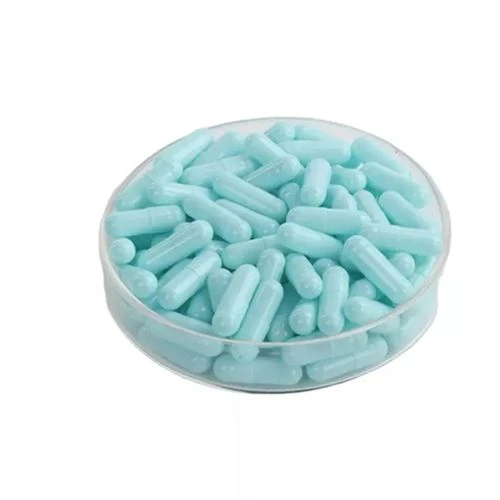
Hard gelatin capsule shells are made from gelatin, a protein derived from collagen. They are typically composed of two parts: a body and a cap. Gelatin capsules are popular because they are tasteless, odorless, and dissolve quickly in the gastrointestinal tract, facilitating the release of the encapsulated content.
These capsules are sensitive to environmental factors such as moisture, temperature, and light. Moisture can cause the capsules to become soft, sticky, and prone to deformation, while excessive heat can lead to melting or degradation of the gelatin. Light can also have a negative impact on the stability of the capsules and the substances they contain, especially if the encapsulated material is photosensitive.
Types of Packaging Materials
There are several types of packaging materials commonly used for hard gelatin capsule shells, each with its own set of properties and potential effects on the capsules.
- Plastic Bottles
Plastic bottles are one of the most widely used packaging options for hard gelatin capsule shells. They are lightweight, inexpensive, and available in a variety of sizes and shapes. Common plastics used for pharmaceutical packaging include polyethylene (PE), polypropylene (PP), and polyethylene terephthalate (PET).
PE and PP are known for their good chemical resistance and low moisture permeability. They can provide a certain level of protection against moisture and oxygen, which helps to preserve the quality of the capsules. However, some plastics may contain additives or impurities that could potentially interact with the gelatin or the encapsulated substance over time.
PET is a clear, strong, and lightweight plastic with excellent barrier properties against oxygen and moisture. It is often used for packaging products that require a high level of protection. However, PET is more expensive than PE and PP, and it may not be the most cost - effective option for all applications.
- Blister Packs
Blister packs consist of a thermoformed plastic sheet with individual cavities for each capsule, covered by a foil or paper backing. Blister packs offer several advantages, including excellent protection against moisture, oxygen, and light. They also provide a convenient way to dispense the capsules, as each dose is individually sealed.
The plastic used in blister packs is typically a rigid PVC (polyvinyl chloride) or a PVC - based composite. PVC has good barrier properties and is relatively inexpensive. However, PVC may contain plasticizers, which could potentially leach into the capsules and affect their quality.
The foil backing of the blister pack can be made of aluminum or a combination of aluminum and plastic. Aluminum foil provides an excellent barrier against moisture, oxygen, and light. It is highly effective in protecting the capsules from environmental factors and extending their shelf - life.
- Glass Bottles
Glass bottles have been used for pharmaceutical packaging for many years. They are inert, meaning they do not react with the contents of the bottle, and they provide excellent protection against moisture, oxygen, and light. Glass is also a recyclable material, which makes it an environmentally friendly option.
However, glass bottles are heavier and more fragile than plastic bottles, which can increase shipping costs and the risk of breakage. They are also more expensive to produce, which may make them less attractive for some manufacturers.
Impact of Packaging Materials on Hard Gelatin Capsule Shells
The choice of packaging material can have a significant impact on the quality and performance of hard gelatin capsule shells.
- Moisture Absorption
One of the most critical factors is the moisture permeability of the packaging material. If the packaging material allows too much moisture to enter, the capsules can absorb the moisture and become soft and sticky. This can lead to capsule deformation, difficulty in opening and closing the capsules, and even the formation of clumps.
For example, if a hard gelatin capsule is packaged in a low - quality plastic bottle with high moisture permeability, the capsules may start to show signs of moisture damage within a few weeks, especially in a high - humidity environment. On the other hand, a blister pack with an aluminum foil backing can provide excellent moisture protection, keeping the capsules dry and intact for a longer period.
- Oxygen and Light Exposure
Oxygen and light can also have a negative impact on the stability of hard gelatin capsule shells. Oxygen can cause oxidation of the gelatin or the encapsulated substance, leading to changes in color, odor, and efficacy. Light can cause photodegradation of the capsules and the substances they contain.
Packaging materials with good barrier properties against oxygen and light, such as aluminum foil in blister packs or dark - colored glass bottles, can help to minimize these effects. Plastic bottles with opaque or tinted walls can also provide some protection against light, but they may not be as effective as aluminum foil or glass.
-
Interaction with the Capsules
Some packaging materials may interact with the hard gelatin capsule shells or the encapsulated substance. For example, as mentioned earlier, some plastics may contain additives or impurities that could potentially leach into the capsules. This interaction could affect the quality of the capsules, the stability of the encapsulated substance, or even the safety of the product. -
Case Studies
To illustrate the impact of different packaging materials on hard gelatin capsule shells, let's consider a few case studies.
A pharmaceutical company was packaging its Size 0 Gelatin Empty Capsule in clear plastic bottles made of PET. The capsules were stored at room temperature in a warehouse with normal humidity levels. After a few months, the company noticed that some of the capsules had become slightly sticky and were difficult to separate.
Upon investigation, it was found that although PET has good barrier properties, the high temperature in the warehouse during the summer months had caused a small amount of moisture to penetrate the bottles. The moisture had been absorbed by the gelatin, leading to the observed changes in the capsules. The company decided to switch to blister packs with an aluminum foil backing, which provided better protection against moisture and temperature fluctuations.
Another example involves a nutraceutical company that was using PVC blister packs for its Pharmaceutical Gelatin Vacant Capsule. The company noticed that after a certain period of time, the capsules in some of the blister packs had a strange odor. Further analysis revealed that the plasticizers in the PVC were leaching into the capsules, causing the odor and potentially affecting the quality of the capsules. The company decided to switch to a PVC - free blister pack material to eliminate this problem.

Choosing the Right Packaging Material
When choosing a packaging material for hard gelatin capsule shells, several factors need to be considered.
-
Product Requirements
The nature of the encapsulated substance is an important consideration. If the substance is sensitive to moisture, oxygen, or light, a packaging material with high barrier properties should be selected. For example, if the capsule contains a photosensitive compound, a blister pack with an aluminum foil backing or a dark - colored glass bottle would be a better choice than a clear plastic bottle. -
Cost
Cost is always a factor in the packaging decision. Plastic bottles are generally the most cost - effective option, followed by blister packs and then glass bottles. However, the cost of the packaging should be balanced against the potential cost of product spoilage or quality issues. -
Regulatory Requirements
Pharmaceutical and nutraceutical products are subject to strict regulatory requirements regarding packaging. The packaging material must be compliant with relevant regulations and standards, such as those set by the Food and Drug Administration (FDA) in the United States or the European Medicines Agency (EMA) in Europe. -
Marketing and Consumer Preferences
The appearance and convenience of the packaging can also influence the choice of packaging material. Consumers may prefer a certain type of packaging based on its ease of use, portability, or aesthetic appeal. For example, blister packs are often preferred for their individual dosing and tamper - evident features.
Conclusion
In conclusion, the choice of packaging material can have a significant impact on the quality and performance of hard gelatin capsule shells. Different packaging materials offer different levels of protection against moisture, oxygen, and light, and may also have the potential to interact with the capsules or the encapsulated substance.
As a supplier of hard gelatin capsule shells, we understand the importance of choosing the right packaging material to ensure the stability and quality of our products. We work closely with our customers to recommend the most suitable packaging options based on their specific product requirements, cost considerations, and regulatory needs.
If you are in the market for high - quality Medicine Gelatin Capsule and need advice on the best packaging solution, please feel free to contact us. We are committed to providing our customers with the best products and services, and we look forward to the opportunity to discuss your packaging needs.
References
- Aulton, M. E., & Taylor, P. K. (2013). Aulton's Pharmaceutics: The Design and Manufacture of Medicines. Churchill Livingstone.
- Shah, N. H., & Amidon, G. L. (Eds.). (2017). Pharmaceutical Dosage Forms: Tablets. CRC Press.
- Gibaldi, M., & Perrier, D. (1982). Pharmacokinetics. Marcel Dekker.