


Empty Capsule
Why Choose Us
Team Introduced
The company integrates R & D, production, sales and after-sales, and provides high-quality products and services for customers at home and abroad.
Company Philosophy
The company has always adhered to the business philosophy of “honesty and quality first”.
Industry Status
In September 2021, Jinan Gaohua pharmaceutical capsule Co., Ltd. was listed in Qilu equity trading center (equity Code: 101028), opening a new journey to cultivate and grow in the capital market.
Global Market
The company has customers all over the world, and its products are exported to North America, Western Europe, Africa, Southeast Asia and other countries and regions.
What is Empty Capsule?
An empty capsule is a small container made of gelatin or a similar substance, intended to hold a medicine or drug powder, granules, or liquid. These capsules are designed to be filled by pharmacists or manufacturers with the appropriate dosage of medication before being administered to patients.


What You Need to Know About Empty Capsule — Main Materials
Empty capsules are cylindrical and consist of a cap and body that fit and lock together, forming a hard yet elastic empty shell, widely used in the preparation of capsule formulations in the pharmaceutical and health product industries. Empty capsules are made from primary materials and auxiliary materials. The primary material for empty capsules is generally food-grade or pharmaceutical-grade high molecular weight film-forming materials, which contain a certain amount of moisture. When needed, based on different film material characteristics, different preparation processes, and user demands, a very small amount of food-grade or pharmaceutical-grade adjuvants, such as colorants, light blockers, plasticizers, and gelling agents, may be used.
As science and technology have advanced, the emergence of new materials and improvements in process technology levels have led to the development of empty capsules from originally just gelatin-based to now including hydroxypropyl methylcellulose (HPMC) capsules, hydroxypropyl starch capsules, and pullulan capsules. The corresponding main materials for these capsules are gelatin, hydroxypropyl methylcellulose, hydroxypropyl starch, and pullulan. Below, we introduce these four main materials in terms of their sourcing, regulatory compliance, and material properties to help you choose the right empty capsules.
Gelatin
Gelatin is an animal-based material derived from partial acid, alkaline, or enzymatic hydrolysis of collagen found in animal skin, bones, tendons, and ligaments, or a mixture of these different types of gelatin. Gelatin does not exist freely in nature and cannot be extracted from the non-collagenous parts of vertebrates such as horns or hooves. Gelatin has no plant sources and no chemical relationship with other materials known as vegetable gels (such as seaweed extracts). Extracted from collagen, it contains a significant amount of cyclic amino acids, proline, and hydroxyproline. Collagen consists of three intertwined helical polypeptide chains connected by intermolecular cross-links.
Hydroxypropyl Methylcellulose (HPMC)
Hydroxypropyl methylcellulose is a plant-based semi-synthetic product made by partially methylating and hydroxypropylating cellulose. Its production involves treating cotton linter or wood pulp cellulose with caustic soda, followed by sequential etherification with chloromethane and epichlorohydrin, and then refining and milling the product.
Hydroxypropyl Starch
Hydroxypropyl starch is a plant-based semi-synthetic product made by chemically hydroxypropylating modified starch. Its preparation method involves starch undergoing etherification reactions with epichlorohydrin under alkaline conditions, followed by refining and milling.
Pullulan
Pullulan is a natural water-soluble polysaccharide made from starch syrup by fermentation. It consists of maltotriose units (three glucose molecules connected by α-1,4 bonds) linked by α-1,6 glucosidic bonds.
Pullulan, CAS Reg. No. 9057-02-7, is recognized by the FDA as GRAS and is listed in the 2023 edition of the United States Pharmacopeia.
Pullulan is used in food and pharmaceuticals as a film-forming agent, adhesive, binder, and thickener. It is odorless, tasteless, and stable. Pullulan films have very low oxygen permeability, which helps protect the active and functional ingredients within the films from degradation. Pullulan produced under the conditions of the USDA’s National Organic Program (NOP) can be certified as an organic product.
Capsules can mask the bitter taste and odor of drugs and eliminate the unpleasant experience of patients when taking them.For example, most antibiotics have a bitter taste. Chloramphenicol is known to have a bitter taste.
Some drugs in the stomach is easy to be destroyed or have a strong irritation to the stomach, often made into enteric capsules, to ensure that the capsule reached the alkaline duodenum to dissolve.If the capsule is opened and swallowed, it will reduce or even lose its efficacy, and increase the irritation to the stomach, even causing stomach bleeding.
Capsules can mask the bitter taste and odor of drugs and eliminate the unpleasant experience of patients when taking them.For example, most antibiotics have a bitter taste. Chloramphenicol is known to have a bitter taste.
Some drugs in the stomach is easy to be destroyed or have a strong irritation to the stomach, often made into enteric capsules, to ensure that the capsule reached the alkaline duodenum to dissolve.If the capsule is opened and swallowed, it will reduce or even lose its efficacy, and increase the irritation to the stomach, even causing stomach bleeding.
There is a prescribed dose of the drug in the capsule, and it is easy to remove the powder after stripping, resulting in inaccurate dosage, which is not conducive to treatment.
Some capsules are slow-release capsules, which must be swallowed completely in order to release the drug at a balanced dose and give full play to the optimal efficacy.If you peel the capsule.Pouring the drug out and taking it will destroy the sustained-release properties of the capsule and fail to achieve the purpose of sustained-release.
How To Replace Capsule Mold On The Empty Capsule Filling Machine


Preparation: Before starting, ensure that the appropriate capsule molds for the desired capsule size and type. Check the capsule size printed on the capsule tooling to avoid mistakes (0#,00#, etc.). Keep the capsule tooling clean and free from any residue or contaminants. Many factories don’t pay serious attention to the cleaning issue, which leads to a shorter service life of capsule mold.
Positioning: Locate the mold housing area on the capsule filling machine. This is where the mold will be inserted. Typically, there are designated slots or compartments for capsule mold placement.
Alignment: Insert the capsule mold into the designated slot, ensuring that it aligns properly with the machine’s alignment pins or guides. The mold should fit snugly into place without any forceful movements.
Securing: Once the mold is positioned correctly, secure it in place according to the machine’s instructions. This involves tightening screws, latches to ensure the capsule mold remains firmly fixed during operation.
Verification: Double-check that the capsule mold is securely installed and properly aligned within the machine. Ensure there are no loose parts or potential hazards that could affect the capsule filling process.
Testing: Before using the machine for actual production, perform a test run with empty capsules to validate the proper functioning of the capsule mold. Check for any abnormalities or misalignments during the trial process.
Advancements In Empty Capsule Manufacturing Technology Fueling Market Progress
Empty capsules, primarily made from gelatin or vegetarian materials, are widely used in pharmaceutical and nutraceutical industries to encase medications, dietary supplements, and herbal formulations.
Over the years, innovations in capsule manufacturing technology have led to enhanced product quality, improved patient compliance, and increased customization possibilities, thus augmenting empty capsules market expansion.
Development of high-speed, automated capsule-filling machines is also boosting the demand for empty capsules. These state-of-the-art machines can efficiently fill thousands of capsules per minute, significantly increasing production capacity and reducing manufacturing costs. Such advancements have enabled pharmaceutical companies to streamline their production processes and meet the rise in demand for medicines more effectively.
Technological breakthroughs have led to the emergence of innovative capsule materials such as plant-based or HPMC (Hydroxypropyl methylcellulose) capsules. These vegetarian-friendly alternatives cater to the growing demand for plant-based and vegan products, thus expanding the potential customer base for empty capsules in the nutraceutical sector.
Advancements in capsule design have contributed to improved drug delivery and therapeutic outcomes. Controlled-release capsules, for example, allow for sustained drug release over an extended period, thus reducing the frequency of medication intake and enhancing patient compliance. Such innovations are further fueling the empty capsules market demand.
What Are Empty Capsules Used for?
Pharmaceutical Industry:
Empty capsules are widely used in the pharmaceutical industry for encapsulating medicines and supplements. They provide a convenient and efficient way to deliver medications in precise dosages. Whether it’s for oral medications, powdered supplements, or liquid formulations, empty capsules offer a reliable solution for drug delivery.
Nutraceutical Industry:
In the nutraceutical sector, empty capsules play a crucial role in encapsulating dietary supplements, vitamins, and herbal extracts. These capsules provide a convenient and tasteless way to consume various nutritional supplements, ensuring accurate dosage and easy ingestion.
Cosmetic Industry:
Empty capsules are also utilized in the cosmetic industry for packaging beauty and skincare products. From encapsulating serums and oils to creating innovative formulations such as capsule masks and exfoliants, these capsules offer versatility and customization options for cosmetic manufacturers.
Food Industry:
In the food industry, empty capsules are used for creative culinary applications. Chefs and food manufacturers use them to encapsulate liquid ingredients, spices, and flavors, adding a unique twist to dishes and beverages. They are also used for creating edible decorations and innovative food presentations.
Research and Development:
Empty capsules play a vital role in research and development laboratories for testing new formulations and drug delivery systems. Researchers utilize these capsules to encapsulate experimental drugs, allowing for precise dosage control and easy administration in preclinical and clinical studies.
How To Make Empty Capsule With A Machine
Step 1: Place the alignment plate on top of the cap plate and pour in empty capsules 1.5-2 times the number of the plate holes. Shake the plates to make the capsule caps fall into the holes of the cap plate.
Step 2: Tilt the alignment plate to remove any excess capsule caps from the exit.
Step 3: If you notice any inverted capsule caps, use one of the caps to pick up the inverted one and remove it.
Step 4: Cover the cap plate with the middle plate with notches facing up and press the two plates together.
Step 5: Place the alignment plate on top of the body plate and pour in empty capsules 1.5-2 times the number of the plate holes. Shake the plates to make the capsule bodies fall into the holes of the body plate.
Step 6: Tilt the alignment plate to remove any excess capsule bodies from the exit.
Step 7: If you notice any inverted capsule bodies, press the body plate to make the inverted capsule body pop out and replace it.
Step 8: Place the spill guard in the positioning hole of the body plate and pour the pre-weighed powder into the spill guard. Use the spatula to scrape the powder into the capsule bodies.
Step 9: Scrape off any excess powder from the exit of the spill guard and place it in a container prepared in advance to collect the powder.
Step 10: Match the protruding part of the tamper with the spill guard and pack the powder firmly (without removing the spill guard) to fill more powder.
Step 11: Once the filling is complete, remove the spill guard.
Step 12: Flip the combined middle and cap plates over and cover the body plate.
Step 13: Press the center of the cap plate with both hands to lock it for the first time.
Step 14: Flip the capsule plates and press the body plate with both hands to finish the second locking.
Step 15: Check if there are any protruding capsule bodies. If so, the capsules are successfully closed. Otherwise, repeat Step 14 until the capsules are fully locked.
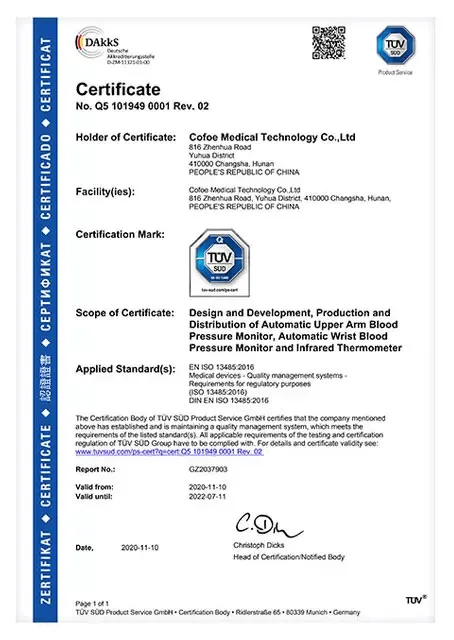
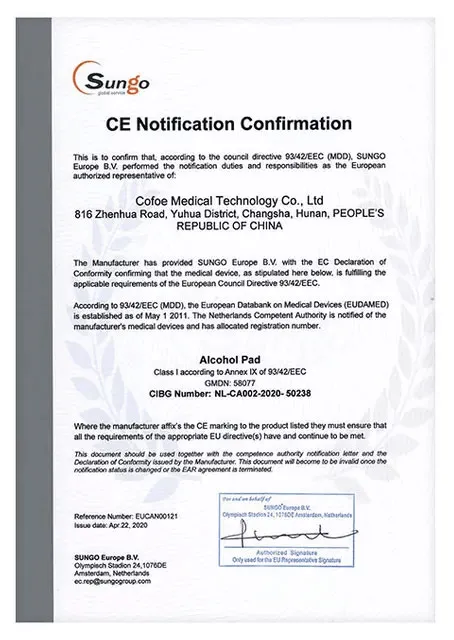
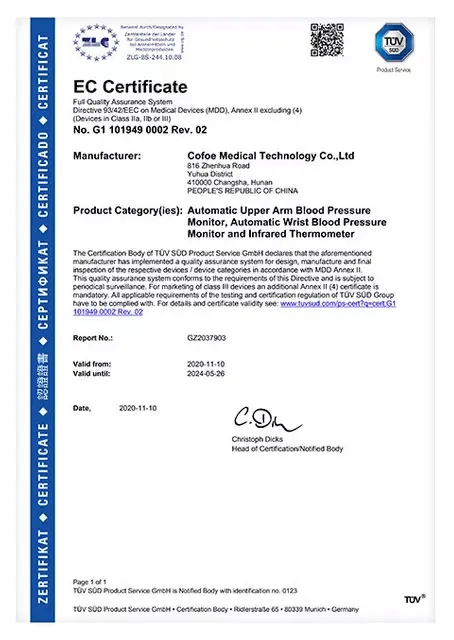
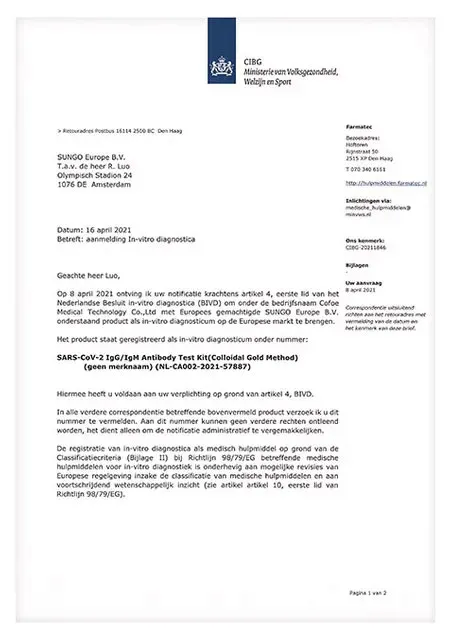
Certifications
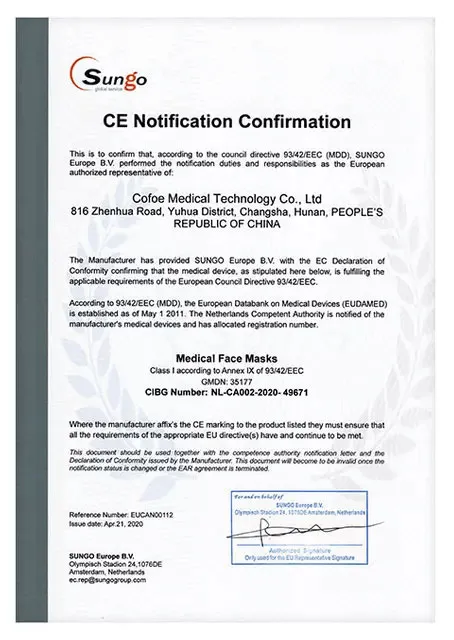
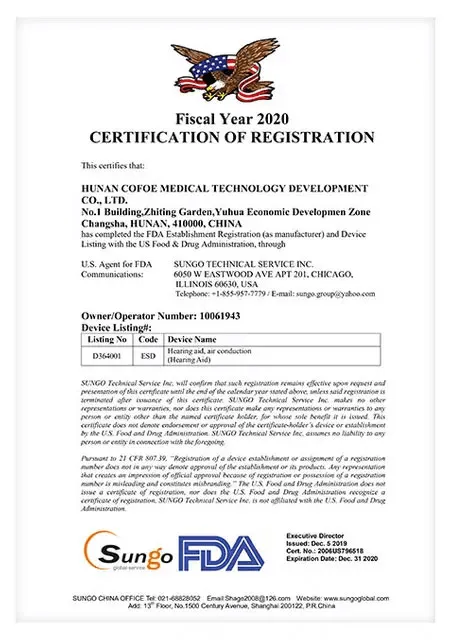

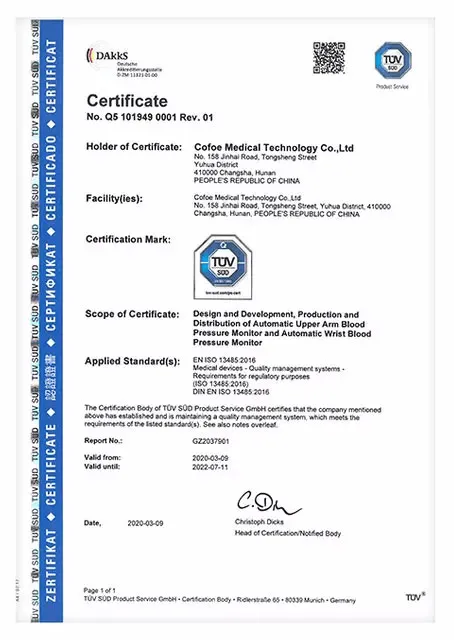
Our Factory
It has won a good reputation in the market. Its products are exported to Europe, America, Southeast Asia, Japan and South Korea and other countries and regions.
The company’s products include gelatin empty capsules, hydroxypropyl methyl cellulose (HPMC) vacant capsules and pullulan polysaccharide hollow capsules. The sizes include 00 # lengthening, 00 #, 0 # lengthening, 0 #, 1 #, 2 #, 3 #, 4 #.,5#.The sizes, colors, printing and logos can all be customized.

