


In the realm of dietary supplements, the choice of capsule for encapsulating mineral supplements is a decision that holds significant importance. As a supplier of Bovine Bone Empty Capsules, I am often asked whether these capsules can be used for mineral supplements. In this blog post, I will delve into the scientific aspects of this question, exploring the properties of bovine bone empty capsules and their suitability for mineral supplements.
Understanding Bovine Bone Empty Capsules
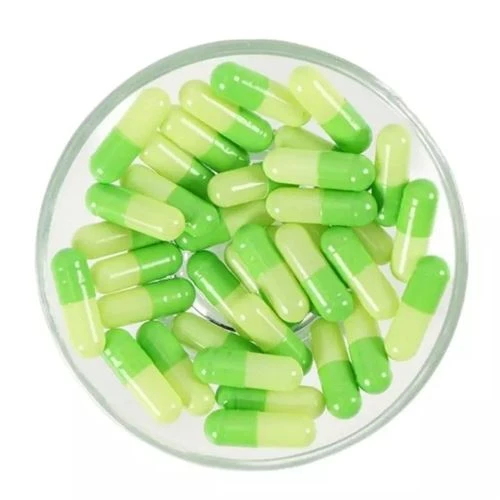
Bovine bone empty capsules are typically made from gelatin derived from bovine bones. Gelatin is a protein obtained by partial hydrolysis of collagen, which is the main structural protein in the connective tissues of animals. The process of extracting gelatin from bovine bones involves several steps, including cleaning, demineralization, and hydrolysis. The resulting gelatin is then processed into empty capsules of various sizes and shapes.
One of the key advantages of bovine bone empty capsules is their excellent biocompatibility. Gelatin is a natural substance that is well - tolerated by the human body. It is easily digested and absorbed, which means that it does not pose a significant burden on the digestive system. Additionally, bovine bone gelatin capsules are known for their good mechanical properties, such as strength and flexibility. This allows them to maintain their shape during the encapsulation process and storage, ensuring that the mineral supplements inside are protected.
Suitability for Mineral Supplements
When considering whether bovine bone empty capsules can be used for mineral supplements, we need to look at several factors. Firstly, the chemical stability of the capsules in the presence of minerals is crucial. Minerals can sometimes react with the materials of the capsule, leading to changes in the properties of either the capsule or the mineral supplement.
Most minerals are relatively stable when encapsulated in bovine bone gelatin capsules. Gelatin is a neutral substance, and it does not have a strong chemical reactivity with common minerals such as calcium, magnesium, iron, and zinc. However, it is important to note that some minerals may have different solubility profiles in the digestive tract, which can affect their release from the capsule. For example, calcium carbonate, a common form of calcium supplement, may have a slower dissolution rate compared to calcium citrate. The gelatin capsule needs to be able to release the mineral in a timely and efficient manner to ensure its bioavailability.
Another factor to consider is the potential for interaction between the capsule and the excipients (other ingredients) in the mineral supplement. Excipients are often added to mineral supplements to improve their stability, flowability, and bioavailability. Some excipients may have the potential to interact with the gelatin capsule, causing it to swell, dissolve prematurely, or form complexes. Therefore, it is essential to conduct compatibility studies when formulating mineral supplements in bovine bone empty capsules.
Comparison with Other Types of Capsules
There are several other types of capsules available in the market, such as Bovine Skin Gelatin Capsule Shell and Halal Gelatin Empty Capsule. Bovine skin gelatin capsules are also made from gelatin, but the source of the collagen is different. Bovine skin gelatin may have slightly different properties compared to bovine bone gelatin, such as a lower melting point and a different gel strength.
Halal gelatin empty capsules are produced in accordance with Islamic dietary laws. They are often made from bovine or other animal sources that meet the halal requirements. The suitability of halal gelatin capsules for mineral supplements is similar to that of bovine bone empty capsules, but they may be preferred by consumers who follow a halal diet.
In comparison, Cow Bone Hollow Capsule shares many similarities with bovine bone empty capsules as they are both derived from bovine bones. However, the manufacturing process and the quality control measures may vary between different suppliers, which can affect the performance of the capsules in encapsulating mineral supplements.
Quality Control and Assurance
As a supplier of bovine bone empty capsules, we place a high emphasis on quality control and assurance. Our capsules are manufactured in a state - of - the - art facility that adheres to strict Good Manufacturing Practices (GMP). We source our bovine bones from reliable and reputable suppliers, ensuring that they are free from contaminants such as heavy metals, pesticides, and antibiotics.
Before the capsules are released to the market, they undergo a series of rigorous tests. These tests include physical tests such as size, weight, and hardness, as well as chemical tests to ensure the purity and stability of the gelatin. We also conduct compatibility studies with various minerals and excipients to ensure that our capsules are suitable for a wide range of mineral supplements.
Conclusion and Call to Action
In conclusion, bovine bone empty capsules can be a suitable option for encapsulating mineral supplements. They offer good biocompatibility, mechanical properties, and chemical stability. However, it is important to consider the specific properties of the minerals and excipients in the supplement formulation and conduct appropriate compatibility studies.
If you are a manufacturer of mineral supplements and are interested in using our high - quality bovine bone empty capsules, we would be delighted to discuss your requirements. Our team of experts can provide you with detailed information about our products, including their specifications, performance, and pricing. We are committed to providing you with the best - in - class capsules that meet your quality and regulatory requirements. Contact us today to start a fruitful procurement discussion and take your mineral supplement products to the next level.

References
- Gelatin: Science and Technology. Edited by G. A. Gilsenan and M. J. Ross - Murphy. Springer, 2000.
- Handbook of Pharmaceutical Excipients. Edited by Raymond C. Rowe, Paul J. Sheskey, and Marian E. Quinn. Pharmaceutical Press, 2009.
- Dietary Supplements: A Scientific and Regulatory Guide. Edited by Gerald E. Levey and David A. Lightfoot. CRC Press, 2007.