


As a seasoned supplier of gelatin capsule shells, I've often been asked whether these capsules have a standard shape. The answer isn't as straightforward as one might think. In this blog post, I'll delve into the intricacies of gelatin capsule shell shapes, exploring the factors that influence them, the common shapes available, and the implications for various industries.
The Basics of Gelatin Capsule Shells
Gelatin capsule shells are widely used in the pharmaceutical, nutraceutical, and food industries to encapsulate various substances, including medications, vitamins, supplements, and flavorings. They are made from gelatin, a protein derived from collagen, which is obtained from animal sources such as bovine (cow) and porcine (pig) skin and bones, as well as fish.
The two main types of gelatin capsule shells are hard and soft. Hard gelatin capsules consist of two parts: a body and a cap, which fit together to form a sealed container. Soft gelatin capsules, on the other hand, are a single, hermetically sealed unit. Both types come in a variety of sizes and shapes to accommodate different fill volumes and product requirements.
Factors Influencing Capsule Shell Shape
Several factors influence the shape of gelatin capsule shells, including:
1. Functionality
The primary function of a capsule shell is to protect the contents from environmental factors such as light, air, and moisture, and to ensure accurate dosing. The shape of the capsule can affect its ability to perform these functions. For example, oval or oblong capsules are often preferred for larger fill volumes because they can accommodate more content without increasing the capsule's diameter significantly. This shape also makes the capsule easier to swallow.
2. Manufacturing Process
The manufacturing process of gelatin capsule shells also plays a role in determining their shape. Hard gelatin capsules are typically produced by dipping pins into a gelatin solution, allowing the gelatin to dry on the pins, and then removing the formed capsules. The shape of the pins determines the shape of the capsules. Soft gelatin capsules are made by a process called rotary die encapsulation, where a gelatin ribbon is formed and filled with the desired substance before being sealed. The shape of the dies used in this process determines the shape of the soft capsules.
3. Consumer Preference
Consumer preference is another important factor in capsule shell design. Capsules that are easy to swallow, visually appealing, and comfortable to handle are more likely to be well-received by consumers. For example, round capsules are often considered more traditional and are commonly used for smaller fill volumes. However, modern consumers are increasingly looking for innovative and convenient capsule shapes, such as oval, oblong, or even custom shapes, to enhance the overall user experience.
4. Regulatory Requirements
Regulatory requirements can also influence the shape of gelatin capsule shells. In some cases, specific capsule shapes may be required for certain types of medications or supplements to ensure proper identification and differentiation. For example, some countries may require that capsules containing certain active ingredients have a unique shape or color to prevent confusion and ensure patient safety.
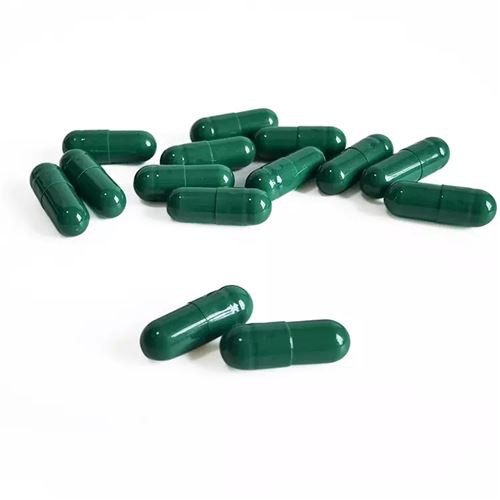

Common Capsule Shell Shapes
While there is no one-size-fits-all standard shape for gelatin capsule shells, several common shapes are widely used in the industry:
1. Round
Round capsules are the most traditional and commonly used shape. They are easy to manufacture and are available in a wide range of sizes. Round capsules are often used for smaller fill volumes and are suitable for a variety of applications, including pharmaceuticals, nutraceuticals, and food supplements.
2. Oval
Oval capsules are becoming increasingly popular due to their improved swallowing experience and ability to accommodate larger fill volumes. They are often used for medications and supplements that require a higher dose or for products that are difficult to formulate into smaller capsules. OX Bone Hollow Capsule is an example of a product that may come in an oval shape to optimize its functionality.
3. Oblong
Oblong capsules are similar to oval capsules but are more elongated. They are often used for products that require a larger fill volume or for applications where a more streamlined shape is desired. Oblong capsules can be easier to swallow than round capsules, especially for patients who have difficulty swallowing pills.
4. Custom Shapes
In addition to the standard shapes, custom-shaped gelatin capsule shells are also available to meet specific product requirements. Custom shapes can be designed to enhance brand recognition, improve product differentiation, or provide a unique user experience. For example, some companies may choose to create capsules in the shape of their logo or a specific symbol to make their products more memorable.
Implications for Different Industries
The shape of gelatin capsule shells can have significant implications for different industries:
1. Pharmaceutical Industry
In the pharmaceutical industry, the shape of the capsule can affect the bioavailability and efficacy of the medication. The shape can also influence patient compliance, as capsules that are easy to swallow are more likely to be taken as prescribed. Pharmaceutical companies often work closely with capsule shell suppliers to develop custom-shaped capsules that meet the specific requirements of their products.
2. Nutraceutical Industry
The nutraceutical industry, which includes dietary supplements and functional foods, also benefits from the variety of capsule shell shapes available. Nutraceutical manufacturers can choose the shape that best suits their product's fill volume, target market, and branding strategy. For example, Fish Gelatin Empty Capsule may be available in a shape that is appealing to consumers who prefer natural and sustainable products.
3. Food Industry
In the food industry, gelatin capsule shells are used to encapsulate flavorings, nutrients, and other food ingredients. The shape of the capsule can affect the taste and texture of the final product, as well as its visual appeal. Food manufacturers can choose from a range of capsule shapes to create unique and innovative food products that stand out in the market.
Conclusion
In conclusion, while there is no single standard shape for gelatin capsule shells, there are several common shapes that are widely used in the industry. The shape of the capsule is influenced by a variety of factors, including functionality, manufacturing process, consumer preference, and regulatory requirements. Different industries can benefit from the variety of capsule shell shapes available, using them to optimize product performance, enhance brand recognition, and meet consumer needs.
As a gelatin capsule shell supplier, we understand the importance of providing high-quality capsules in a variety of shapes and sizes to meet the diverse needs of our customers. Whether you are a pharmaceutical company, a nutraceutical manufacturer, or a food producer, we can work with you to develop the perfect capsule shell for your product.
If you are interested in learning more about our gelatin capsule shell products or would like to discuss your specific requirements, please feel free to contact us. We look forward to the opportunity to work with you and help you bring your products to market successfully.
References
- Pharmaceutical Capsule Handbook. (Publisher: Not Specified, Year: Not Specified)
- Encapsulation Technology in the Food and Nutraceutical Industries. (Author: Not Specified, Publisher: Not Specified, Year: Not Specified)
- Gelatin: Science and Technology. (Authors: G. A. Goff, N. R. Jordan, Publisher: Springer, Year: 2016)