


Food Grade Aluminum Foil
Why Choose Us
Team Introduced
The company integrates R & D, production, sales and after-sales, and provides high-quality products and services for customers at home and abroad.
Company Philosophy
The company has always adhered to the business philosophy of “honesty and quality first”.
Industry Status
In September 2021, Jinan Gaohua pharmaceutical capsule Co., Ltd. was listed in Qilu equity trading center (equity Code: 101028), opening a new journey to cultivate and grow in the capital market.
Global Market
The company has customers all over the world, and its products are exported to North America, Western Europe, Africa, Southeast Asia and other countries and regions.
What is Food Grade Aluminum Foil?
Food grade aluminum foil refers to aluminum foil that is safe for contact with food. It is produced in compliance with regulations that ensure it does not impart any flavors, odors, or harmful substances to the food it comes into contact with. This type of aluminum foil is used for wrapping, storing, and preserving food items, as well as in the packaging of food products.

|
Aluminum foil container
|
Aluminum foil adhesive tape
|
Cable shielding aluminum foil
|
Cigarette packaging
|
|
Aluminum foil roll paper
|
Aluminum foil for bottle caps
|
Battery Shell aluminum foil
|
Vacuum-packed bag
|
|
Aluminum foil bag
|
Electronic aluminum foil
|
Pharmaceutical aluminum foil
|
Beer mark foil
|
|
Household aluminum foil
|
Air conditioners aluminum foil
|
Heat sealing aluminum foil
|
Aluminum foil wrap
|
|
Food packaging foil
|
Hydrophilic aluminum foil
|
Tea Light Cup Other aluminum foil
|
Decorative foil
|
Uses Of Food Grade Food Grade Aluminum Foil
Food Storage
Wrapping Leftovers: Aluminum foil is perfect for wrapping leftovers to keep them fresh and prevent contamination.
Freezing: Use foil to wrap and protect foods in the freezer, preventing freezer burn and maintaining quality.
Cooking And Baking
Roasting and Grilling: Foil is ideal for roasting meats and vegetables, as it helps retain moisture and flavor.
Baking: Line baking trays and pans with foil for easy cleanup and even cooking.
Food Packaging
Takeout and Delivery: Many restaurants and catering services use aluminum foil to wrap hot foods for delivery, ensuring they stay warm and appetizing.
Prepackaged Meals: Foil is commonly used for packaging ready-to-eat meals and snacks.
What Are The Main Properties of Food Grade Aluminum Foil
Mechanical Properties
The mechanical properties of aluminum foil mainly include tensile strength, elongation, and crack strength, which is mainly determined by the thickness. In general, aluminum foil is light in weight, good in ductility, thin in thickness, and small in mass per unit area.
However, it is low in strength and easy to tear, and it is easy to break and produce perforations when folded, so it is generally not used alone for packaging products. In many cases, it is compounded with other plastic films and paper to overcome its shortcomings.
High Barrier
Food grade aluminium foil has a high barrier to water, water vapor, light, and fragrance, and is not affected by the environment and temperature. Therefore, it is often used in fragrance-preserving packaging, moisture-proof packaging, etc. to prevent moisture absorption, oxidation and volatile deterioration of the goods.
Corrosion Resistance
An oxide film is naturally formed on the surface of the aluminum foil. The formation of the oxide film can further prevent the continuation of oxidation. Therefore, when the content of the package has high acidity or alkalinity, it is often coated with a protective coating or PE on the surface to improve Its corrosion resistance.
Heat Resistance And Low Temperature Resistance
The aluminum foil is stable at high and low temperatures. It does not expand and contract when the temperature is between -73 ~ 371 ℃, and it has good thermal conductivity, and its thermal conductivity can reach 55%. Therefore, it can be used not only for high temperature cooking or other thermal processing, but also for frozen packaging.
Light Shielding Property
Aluminum foil has a good light-shielding property, its reflectivity can be as high as 95%, and its appearance is silver-white metallic luster. The surface printing decoration can show good packaging and decoration effects, so aluminum foil is also a high-end packaging material.

Although food-grade aluminum foil itself is a non-toxic and harmless packaging material, if it is not used correctly, it may have a certain impact on health or other aspects. When purchasing aluminum foil for the first time, you need to check whether it meets FDA standards, check the packaging instructions and labels of the aluminum foil, check the safety and warranty date of the aluminum foil, and ensure that the purchased aluminum foil is food-grade aluminum foil; secondly, you need to check the specifications of the product that you need Avoid using aluminum foil that is too wide or too narrow to avoid food leakage; at the same time, when using aluminum foil, avoid exposure to air or humid environments, avoid direct light, so as not to cause food deterioration; used Aluminum foil, avoid repeated or multiple use, handle it properly, the used aluminum foil may contain harmful substances such as bacteria; be careful not to keep food in contact with aluminum foil for a long time, too long, it is easy to make the food taste bad.
Reasons to use Food Grade Aluminum Foil to wrap your food
Seals The Aromas
Aluminium foil paper roll has a special barrier feature that works against the transfer of any kind of aroma. Be it moisture, oxygen or anything. It seals the odour and packages the food efficiently. It is advisable to pinch the edges tightly so that no air can come or go out.
Minimum Heat Damage
Aluminium has another special feature of retaining and distributing heat. It has a thermal processing feature to make sure less heat damage and rapid heating during the cooking of the food. When you cook food in the oven, convection is the main source of cooking. Thus, it is best to cook food in the aluminium foil in the oven so that the pie doesn’t burn. Also, you can use the foil to bake potatoes without adding extra oil to cook them.
Helps To Store Food
Since aluminium has the ability to withstand high temperatures. This makes them perfect for packing food. This is the reason why restaurants pack every food item in aluminium foil. It keeps the heat inside the foil and thus makes it easy to reheat in the future. It reflects heat energy and maintains the moisture flavour and aroma of the food.
Avoids The Contact With Bacteria And Germs
The stored food in the foil has great protection against germs and bacteria as it is resistant to any kind of bacteria and germs. Also, adding an extra layer of foil can avoid tearing.
Easy To Pack Food
The best part is it is easy to form any shape with less effort. This makes it an ideal item for the food and household industry.
Sustainable Product
It can be used multiple times and for multiple uses. It can be used to store food one after the other and is very easy to clean, though.
Easy And Healthy Cooking
The use of aluminium foil reduces the amount of oil used to cook food. It needs very less oil to cook. No need to scrub and clean pans and dishes every night. It can be used under a pan to prevent stickiness. This makes the pan less dirty and also reduces the use of oil.
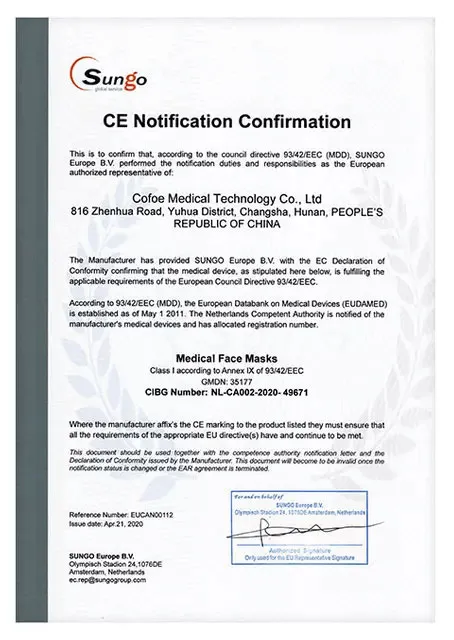
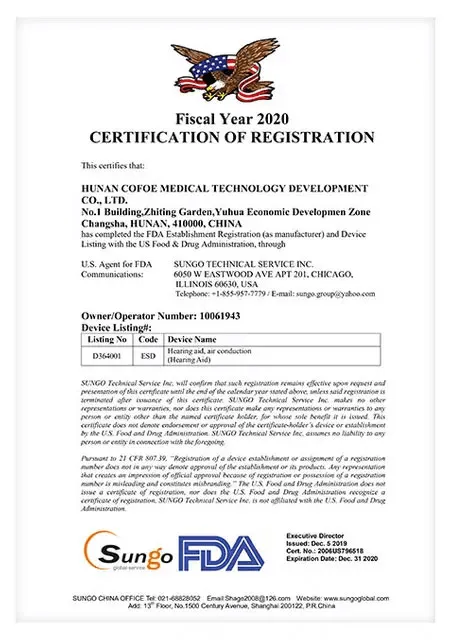
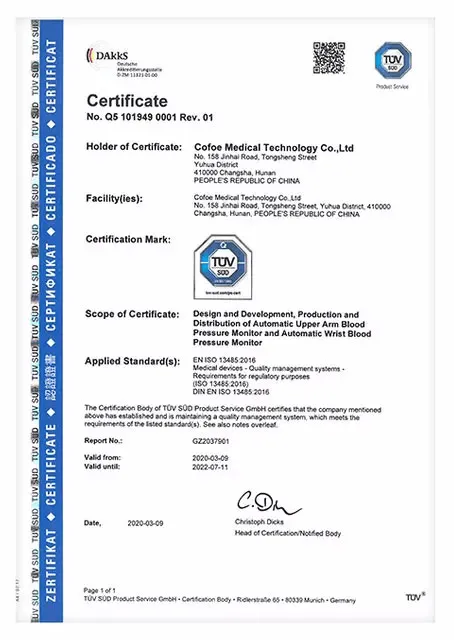
Food Quality Certification And Standards: Our food-grade aluminum foil goes through a strict quality control process and meets strict industry certifications and standards. These certifications ensure that the aluminum foil is safe for direct food contact and assure consumers that the packaging material meets the highest quality and safety requirements.
Ensure Food Safety And Sanitation. Food-grade aluminum foil is a reliable barrier to protect food from external contaminants such as bacteria, moisture and odors. Aluminum foil maintains the freshness and quality of food by creating a safe and hygienic environment, reassuring consumers that they are receiving uncontaminated product.
Protection Against Contamination And Oxidation: Food-grade aluminum foil provides excellent protection against contamination and oxidation. Its barrier properties protect food from oxygen and light, preventing spoilage. This protection preserves the food's nutritional value, taste and appearance, and enhances its overall appeal to consumers.
Maintain Food Freshness And Flavor: Food-grade aluminum foil plays an important role in maintaining the freshness, aroma and flavor of food. It binds the flavor together, prevents cross-contamination and preserves the natural character of the product. Whether retaining moisture in baked goods, preventing freezer burn, or preserving the soft texture of fruits and vegetables, aluminum foil ensures food reaches consumers in optimal condition.
Flexibility and convenience of food-grade aluminum foil A. Adapt to various packaging shapes and sizes
Food-grade aluminum foil is very flexible and suitable for various packaging shapes and sizes. Thanks to its plasticity, it can adapt to different shapes and hold food safely. Both packaging designs offer the versatility of aluminum foil, whether wrapping sandwiches, lining containers, or covering trays.
Easy to use and store
Food grade aluminum foil is very easy to use. Easy to handle, tear and fold for an efficient and hassle-free packaging process. Plus, aluminum foil is lightweight and doesn't take up much storage space, making it ideal for businesses with limited storage space.
Easy to carry and handle
Food-grade aluminum foil is convenient to carry. It's lightweight and easy to carry, making it perfect for packing food on the go. Due to its tear-resistant properties, aluminum foil will not be damaged during shipping. Protect your food and keep it looking good.
Sustainability Of Food Grade Food Grade Aluminum Foil
Lightweight and resource-saving
One of the main sustainability advantages of food-grade aluminum foil is its light weight. Aluminum foil requires fewer resources to manufacture and ship than alternative packaging materials. Its lightweight properties reduce fuel consumption during transport, reduce CO2 emissions and minimize environmental impact. Additionally, the aluminum foil manufacturing process uses fewer resources than other packaging materials. Aluminum is extracted from the abundant bauxite ore. The extraction and production of aluminum foil uses relatively little energy, reducing resource scarcity.
Recyclable and Reusable
Food grade aluminum foil is a highly recyclable and environmentally friendly material choice. Aluminum can be melted down and reused to make new aluminum products, so it can be recycled many times without loss of quality. Recycling aluminum foil not only saves valuable resources, but also reduces the amount of waste that goes to landfills. Companies that choose food-grade aluminum foil contribute to a circular economy by supporting take-back programs. By disposing of used aluminum foil properly and promoting recycling, the company is making an active contribution to reducing waste and conserving natural resources.
Reduce negative impact on the environment
As we all know, food-grade aluminum foil has minimal impact on the environment. Aluminum is non-toxic and poses no threat to the environment if used and disposed of responsibly. Unlike some packaging materials, aluminum foil does not release harmful chemicals into the environment, nor does it release toxins. Additionally, by choosing food-grade aluminum foil, businesses can proactively reduce single-use plastic waste. Single-use plastics are a major source of pollution and environmental degradation. By choosing aluminum foil as a sustainable alternative, businesses can help reduce plastic pollution and support a cleaner, healthier planet.
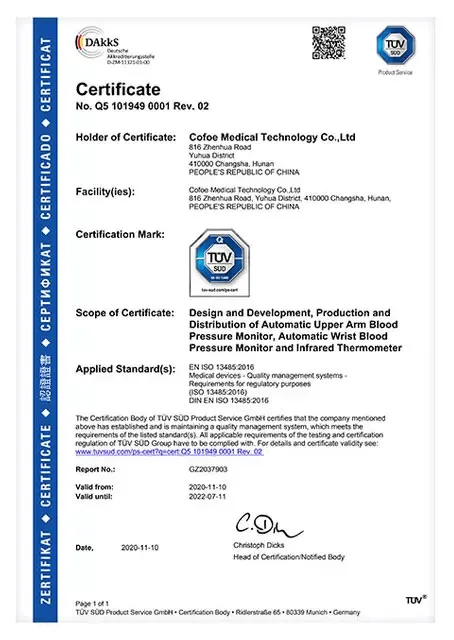
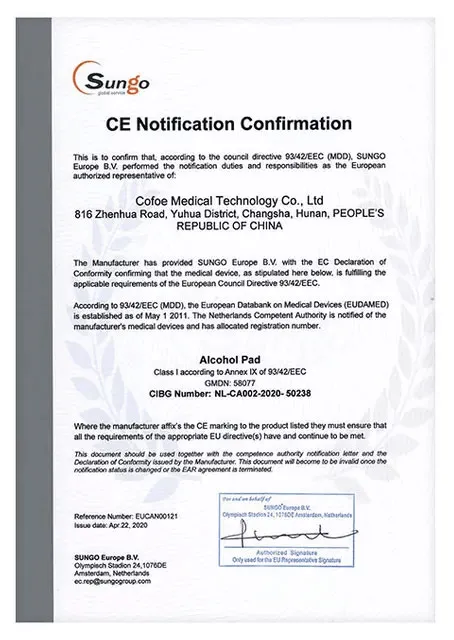
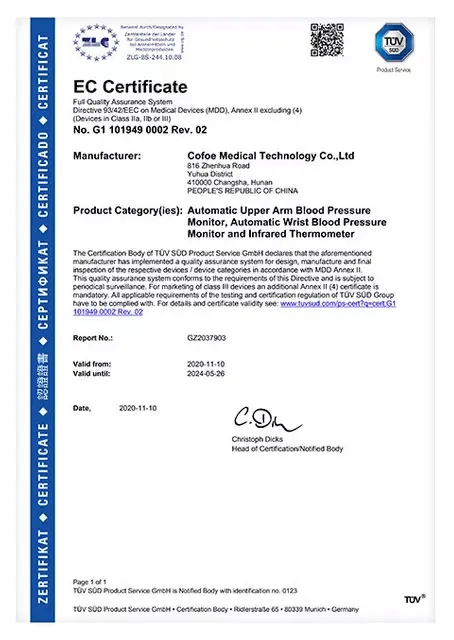
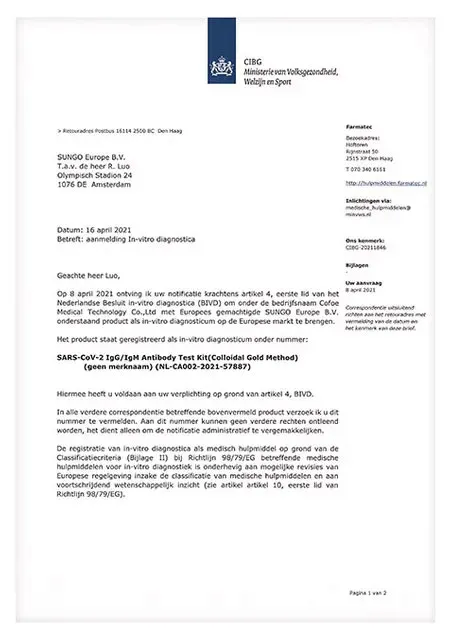
Certifications

Our Factory
It has won a good reputation in the market. Its products are exported to Europe, America, Southeast Asia, Japan and South Korea and other countries and regions.
The company’s products include gelatin empty capsules, hydroxypropyl methyl cellulose (HPMC) vacant capsules and pullulan polysaccharide hollow capsules. The sizes include 00 # lengthening, 00 #, 0 # lengthening, 0 #, 1 #, 2 #, 3 #, 4 #.,5#.The sizes, colors, printing and logos can all be customized.

