


Pharmaceutical Aluminum Foil
Why Choose Us
Team Introduced
The company integrates R & D, production, sales and after-sales, and provides high-quality products and services for customers at home and abroad.
Company Philosophy
The company has always adhered to the business philosophy of “honesty and quality first”.
Industry Status
In September 2021, Jinan Gaohua pharmaceutical capsule Co., Ltd. was listed in Qilu equity trading center (equity Code: 101028), opening a new journey to cultivate and grow in the capital market.
Global Market
The company has customers all over the world, and its products are exported to North America, Western Europe, Africa, Southeast Asia and other countries and regions.
What is Pharmaceutical Aluminum Foil?
Pharmaceutical aluminum foil is a thin sheet of aluminum used in the packaging of pharmaceutical products to protect the contents from light, moisture, oxygen, and other external factors that could degrade the drug's quality and effectiveness. The aluminum foil is highly impermeable and provides a barrier that helps preserve the shelf life of medications.


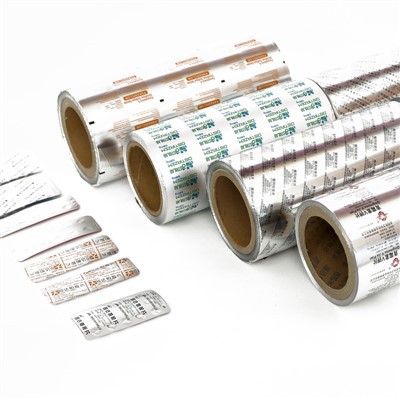

We produce various types of Pharmaceutical aluminum foil for worldwide, like blister aluminum foil for PTP packaging sealed with PVC/PCDV, Alu alu foil for cold forming, composite aluminum foil for pharmaceutical tablet bag etc.
What are the products of aluminum foil for pharmaceutical packaging?
Aluminum foil is supposed to be a safe packaging option that protects the medicines from oxygen, moisture, and other environmental influences. Blister packaging is common in the pharmaceutical industry. The aluminum foil is used to create a push-through closure with lid film or blister film where tablets and capsules are protected perfectly and hygienically. These blister packs are compact and easy to port and handle. The integration of aluminum foil has made aluminum blister foil manufacturers keep every tablet well protected from the effects of the external environment and hence keep the effectiveness of all of the tablets intact.
Heat Sealing Lacquer
Heat sealing lacquer is used for sealing the blister with the blister film. In this process, the plastic push-through blister is perfectly sealed and covered with aluminum for ensuring effective protection of the tablets. The aluminum foils are applied after the tablets are put in individual cavities. The right amount of pressure along with heat and time is being applied to seal the lacquer on the aluminum foil perfectly.
Blister Cover Foil
Aluminum foil manufacturers in France use both hard and soft aluminum for making push-through packaging. The soft aluminum foil usually does have high stretching power and requires more force to flip open and hence making the packaging children resistant.
Hard Aluminum Cover
The cover of the hard aluminum is also constructed with aluminum foil. For taking the drug out of the packaging, one has to push the hard aluminum to push the opening further. The outsell of this packaging is usually printed and visible to the consumer. In case a heat seal primer is being applied with heat seal lacquer, it is quite necessary to have a double coating of the aluminum foil on it. The heat seal primer perfectly adheres to the aluminum foil whereas the heat sealant protects the medicines from the color pigments perfectly.
Soft Aluminum Cover
The soft aluminum cover is required to keep the tablets safe from the accessibility of children. The soft aluminum cover requires a lot of pressure to force open. It is a flexible aluminum foil that seems to be harder for the children to open.
Aluminum and Paper/PET Blister Film
Composite aluminum and paper and PET blister films are used as cover films in aluminum foil container manufacturers in Italy. The cover foils with paper and aluminum foil are directly printed on the outward-facing surface of the paper. This is known as peel-off push-through packaging and is widely used in pharmaceutical companies in Europe.
Why are medicines packaged in Pharmaceutical Aluminum Foil?
When pharmaceuticals are packaged, it is important to maintain the quality and safety of pharmaceuticals. Aluminum foil is a commonly used material because it has the following advantages:
01
Good Barrier Performance
Aluminum foil can effectively prevent medicines from moisture and humidity, because it is an impermeable material that can keep medicines dry and stable.
02
Good Heat Insulation Performance
Aluminum foil is an excellent heat insulation material, which can help maintain the active ingredients and efficacy of medicines.
Aluminum foil can make pharmaceutical packaging easier to read and identify.
03
Can Be Easily Sealed
Aluminum foil can be sealed by heat sealing or cold sealing technology, so as to ensure the airtightness of pharmaceutical packaging.

At present, various tablets, pills, capsules, granules and other medicines are packaged in aluminum-plastic blisters. This kind of packaging can not only better protect the quality and performance of medicines, but also has the advantages of fast packaging production speed and low cost. Light weight, small storage space, convenient transportation and use.
As users have higher and higher requirements for the quality and appearance of medicines, the surface printing color registration can reach 6~8 kinds of characters and patterns, and the quality requirements for pharmaceutical foils are getting higher and higher.
Now most of the packaging of medicinal aluminum foil uses 8011 alloy foil, the thickness is 0.02mm, and the state is H18. The process flow is: billet inspection→rolling→coiling→rolling→slitting→inspection, packaging and storage.
The distribution of rolling passes is 0.3mm(H14)→0.145mm→01072mm→0.032mm→2×0.02mm(H18). Among them, the 1st and 2nd passes are rolled on the rough rolling mill (the crown of the rolling wheel is 0.09mm and the Ra value is 0.3um);
The 3rd and 4th passes are rolled on the intermediate rolling (the crown of the rolling wheel is 0.10mm, and the Ra value is 0.15um).
The rolling speed of the 1st, 2nd and 3rd pass is 800mPmin ~ 1200mPmin, and the rolling speed of the 4th pass is 400mPmin ~ 450mPmin.
Advantages Of Pharmaceutical Aluminum Foil
Jumbo aluminum foil is commonly used in pharmaceutical packaging due to its numerous advantages. Here are ten advantages of jumbo aluminum foil for pharmaceutical packaging:
Barrier Protection: Jumbo aluminum foil offers excellent barrier properties, providing a protective barrier against moisture, oxygen, light, and other contaminants. This helps to maintain the quality, stability, and efficacy of pharmaceutical products.
Stability: Jumbo aluminum foil is chemically stable and resistant to corrosion. It does not react with pharmaceutical ingredients, ensuring the integrity and safety of the packaged products.
Hygiene and Safety: Aluminum foil is hygienic and safe for pharmaceutical packaging. It is non-toxic, odorless, and does not impart any taste or odor to the packaged products.
Flexibility: Jumbo aluminum foil is highly flexible and can be easily folded, shaped, or wrapped around various pharmaceutical products, such as tablets, capsules, and suppositories.
Easy Printing and Labeling: Aluminum foil provides a smooth surface for printing and labeling, allowing clear and precise information to be printed on the packaging.
Tamper-Evident Sealing: Aluminum foil can be heat-sealed to provide tamper-evident packaging. Once sealed, any tampering attempts will be evident, ensuring the integrity and authenticity of the packaged pharmaceuticals.
Customizable Thickness: Jumbo aluminum foil is available in various thicknesses, allowing pharmaceutical manufacturers to choose the appropriate foil thickness based on the specific requirements of their products.
Light Weight: Aluminum foil is lightweight, which helps to reduce packaging weight and transportation costs. It is an ideal choice for pharmaceutical products that require lightweight packaging.
Recyclability: Aluminum foil is recyclable, making it an environmentally friendly option for pharmaceutical packaging. It can be easily recycled and reused, contributing to sustainability efforts.
Cost-Effective: Jumbo aluminum foil provides an economical solution for pharmaceutical packaging. It offers a cost-effective option without compromising on the quality and performance of the packaging.
The Structures Of The Pharmaceutical Aluminum Foil And Its Advantages
The common pharmaceutical packaging material structure is: surface layer (protective layer), barrier layer (aluminum foil), inner layer (heat sealing layer), and the layers are bonded together by an adhesive. Printing is also divided into inner layer printing and outer layer printing. The inner layer printing is generally printed on the inner side of the barrier layer, and the outer layer printing can be printed on the inner side of the surface layer or on the outer layer of the barrier layer.
Surface Layer: Good transparency (inner layer printing) or impervious material; excellent printing and decorating, strong heat resistance; wear resistance, puncture resistance, etc., protect the middle layer; when double or multi-layer composite, surface colleague It acts as a barrier layer; commonly used materials are PET, BOPP, PT, paper, BOPA, etc.
Intermediate Barrier Layer: It is good to prevent the penetration of gas and liquid inside and outside; good light protection (except for transparent packaging); the barrier layer should be as close as possible to the packaged object; commonly used materials are aluminum foil, etc.
Inner Layer: Non-toxic; chemically inert, does not interact with the package to cause corrosion or penetration; good heat sealability; good mechanical strength; good internal surface slip; good heat resistance or cold resistance; When transparent packaging, the inner seal is better in transparency; commonly used materials are PE, PP, etc.
Adhesive: It consists of adhesive substance, curing agent and solvent. The commonly used adhesive is polyurethane two-component adhesive.
Properties Of Pharmaceutical Aluminum Foil
Pharmaceutical foil has several unique properties that make it an ideal choice for packaging pharmaceutical products. Some of these properties include:
Impermeability
Pharmaceutical foil is impermeable to light, air, moisture, and other external factors that can compromise the quality and safety of the medication. This helps to extend the shelf life of the product and protect it from degradation.
Barrier Properties
The foil provides an excellent barrier against gas, vapor, and UV rays. This is especially important for medications that are sensitive to light and heat.
Formability
Pharmaceutical foil is highly formable, allowing it to be easily shaped, folded, and cut into a variety of packaging configurations.
Compatibility
The foil is compatible with a wide range of drugs and can be used for both sterile and non-sterile products. It is also suitable for both cold-forming and thermoforming processes.
Pharmaceutical Industry's Use Of Pharmaceutical Aluminum Foil
Protection From External Factors
When medications are packaged in aluminum foils, they are shielded from external factors such as humidity, oxygen, and light. These factors can degrade the quality of the medications, and aluminum foils help to maintain the potency and efficacy of the drugs. Moreover, aluminum foils also protect the medicine from contamination.
Cost-Effective and Easy to Use
In addition to being effective at protecting medicines, aluminum foils are also cost-effective and easy to use. They are lightweight and flexible, which makes them easy to shape into different forms and sizes for packaging. The pharmaceutical industry also commonly uses aluminum foils for blister packaging, which is a popular way of packaging tablets and capsules.
Sustainability
Aluminum foils are a sustainable packaging solution for the pharmaceutical industry. They can be recycled, which makes them an eco-friendly option for packaging medicines. The pharmaceutical industry is increasingly recognizing the importance of sustainability and the use of aluminum foils aligns with this objective.
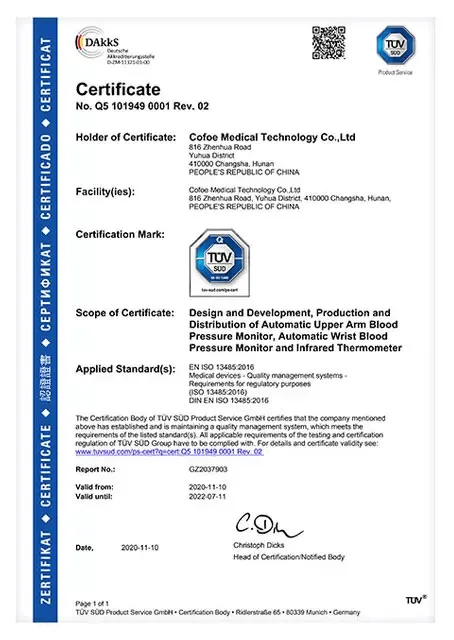
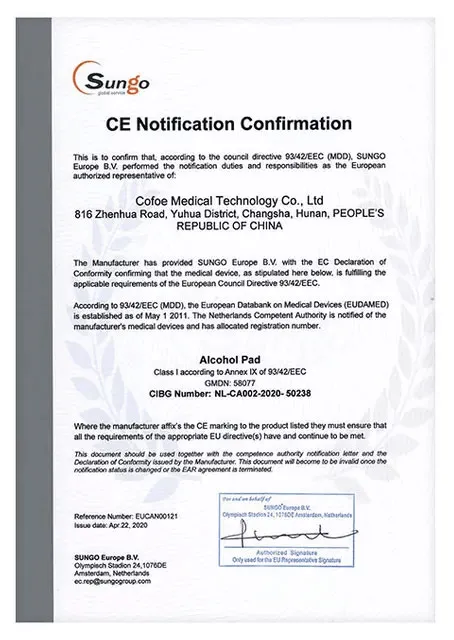
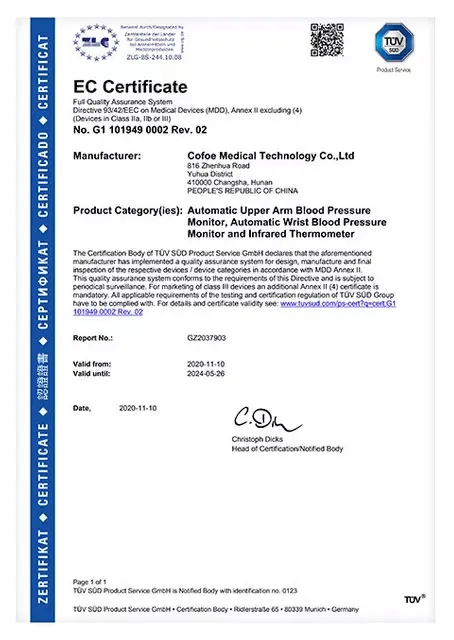
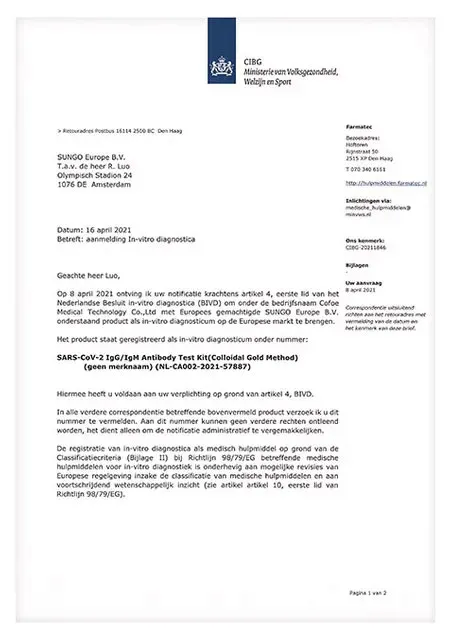
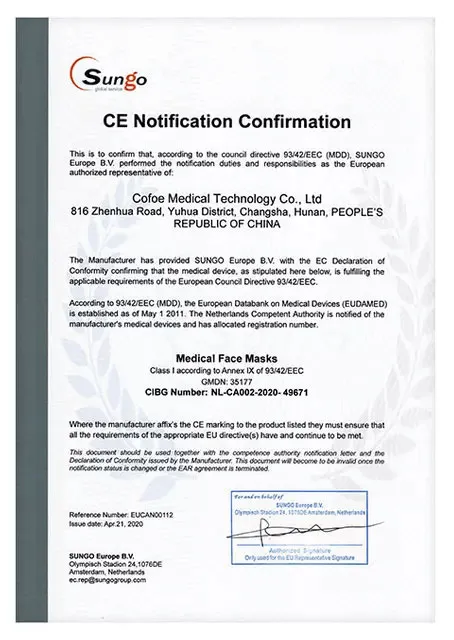
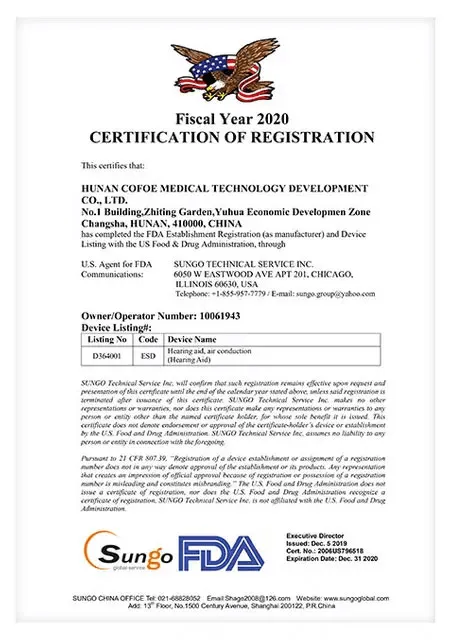
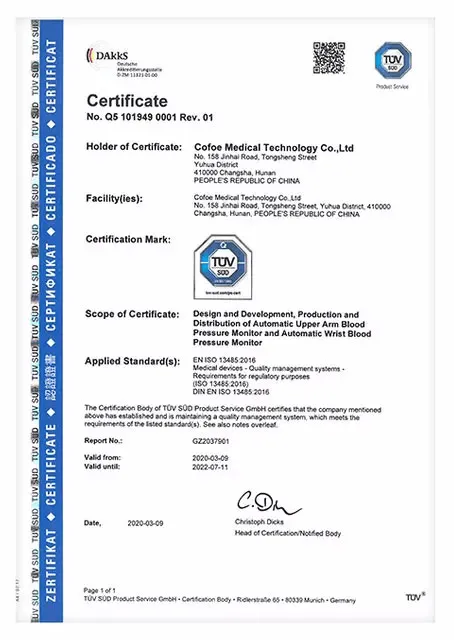
Certifications

Our Factory
It has won a good reputation in the market. Its products are exported to Europe, America, Southeast Asia, Japan and South Korea and other countries and regions.
The company’s products include gelatin empty capsules, hydroxypropyl methyl cellulose (HPMC) vacant capsules and pullulan polysaccharide hollow capsules. The sizes include 00 # lengthening, 00 #, 0 # lengthening, 0 #, 1 #, 2 #, 3 #, 4 #.,5#.The sizes, colors, printing and logos can all be customized.

